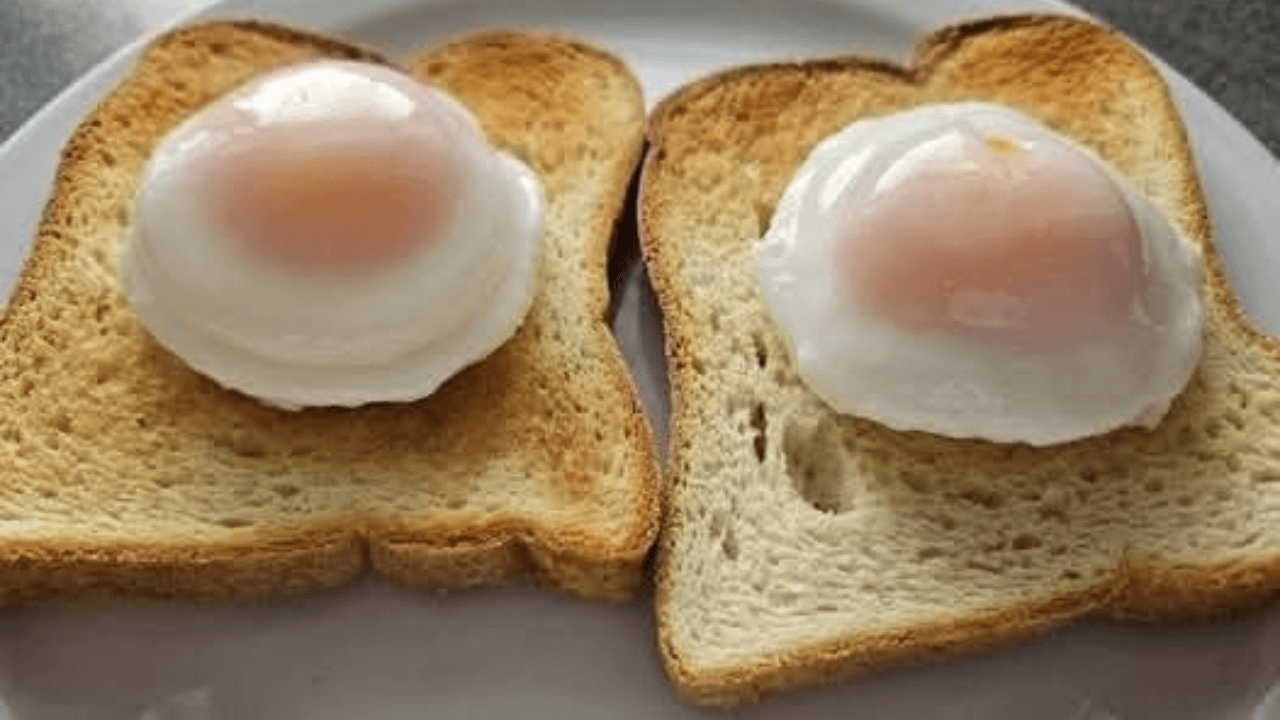
Poached eggs are a breakfast classic, known for their silky whites and golden, runny yolks that melt perfectly over toast, salads, or grains. Mastering the art of poaching eggs might seem intimidating, but with the right technique, anyone can achieve restaurant-quality results at home. Poached eggs are a healthier alternative to fried or scrambled eggs since they’re cooked without butter or oil. Whether you enjoy them for breakfast, brunch, or a light meal, perfectly poached eggs are a simple yet elegant addition to any plate.
Ingredients
- 2 large fresh eggs
- 1 tablespoon white vinegar (optional)
- 4 cups water
- A pinch of salt (optional)
Instructions
- Fill a medium saucepan with about 4 cups of water and bring it to a gentle simmer over medium heat. The water should not be boiling—just small bubbles rising at the bottom. Add vinegar if using, as it helps the egg whites to set quickly and neatly.
- Crack one egg into a small cup or bowl to make it easier to slide into the water. Using a spoon, swirl the simmering water gently to create a vortex. Carefully slide the egg into the center of the swirl. This motion helps the egg white wrap around the yolk, forming a neat, compact shape.
- Let the egg cook for about 3 to 4 minutes for a soft, runny yolk or up to 5 minutes for a firmer center. Use a slotted spoon to lift the egg from the water and place it on a paper towel to remove excess moisture. Repeat with the second egg. Serve immediately on toast, salads, or any dish of your choice.
Servings
Serves 1 to 2 people
Nutritional Info (per serving, approx.)
Calories: 140
Protein: 12g
Fat: 9g
Carbohydrates: 1g
Cholesterol: 370mg
Sodium: 130mg
Notes
Always use fresh eggs for poaching because the whites hold their shape better and stay close to the yolk. Water temperature is key—if it’s too hot, the eggs will break apart; if too cool, the whites won’t set properly. You can poach several eggs ahead of time and store them in cold water in the fridge for up to 24 hours. To reheat, simply place them in hot water for about 30 seconds before serving.
Tips
- Add vinegar to the water to help the egg white firm up faster.
- Strain the egg in a fine mesh sieve before poaching to remove thin white parts and get a neater result.
- Avoid overcrowding the pan; poach one egg at a time for best shape and texture.
- Use a deep pot to give the egg enough space to float freely.
- Serve immediately for the best texture and flavor.
Health Benefits
Poached eggs are one of the healthiest ways to enjoy eggs because they are cooked without oil or butter, keeping calories low. They are an excellent source of high-quality protein, supporting muscle growth and repair. Poached eggs contain essential vitamins such as B2, B12, and D, along with minerals like selenium and phosphorus. The choline present in eggs supports brain health and improves metabolism. Since no additional fat is used, poached eggs are heart-friendly when consumed in moderation.
Q & A
Q: Why do my poached eggs fall apart in the water?
A: This usually happens if the water is boiling too hard or the eggs aren’t fresh. Always use simmering water and fresh eggs for the best results.
Q: Can I make poached eggs ahead of time?
A: Yes, poached eggs can be made in advance and stored in cold water in the refrigerator for up to 24 hours. Reheat them in hot water before serving.
Q: Do I need to add vinegar to the water?
A: Vinegar helps the egg whites to coagulate quickly and stay compact, but it’s optional if you prefer not to use it.
Q: How do I know when my poached eggs are done?
A: For a runny yolk, cook for 3 to 4 minutes. For a firmer yolk, cook for 5 minutes. Use a slotted spoon to lift and gently touch the egg to check firmness.
Q: Can I poach eggs without swirling the water?
A: Yes, you can. The swirling helps shape the egg neatly, but if you’re poaching several at once, simply slide them in gently without stirring.